
Title: Overdraft Loan Rates Top 5% as Banks Reinforce Household Loan Caps
Overdraft lines of credit at South Korea’s five major commercial banks have breached the 5% annual interest threshold, reaching an average rate of 5.01% on new loans in July. This marks the first time since January of last year that negative‐balance credit facilities have carried rates above 5%, driven by rising market yields and tighter regulatory controls on household borrowing.
Last July, the average rate on these “minus” accounts stood at 4.48%, meaning consumers have absorbed more than a 0.5 percentage‐point increase in just 12 months. Meanwhile, the lowest available rate has jumped from 4.08% to 4.86% over the same period, narrowing the spread across borrowers.
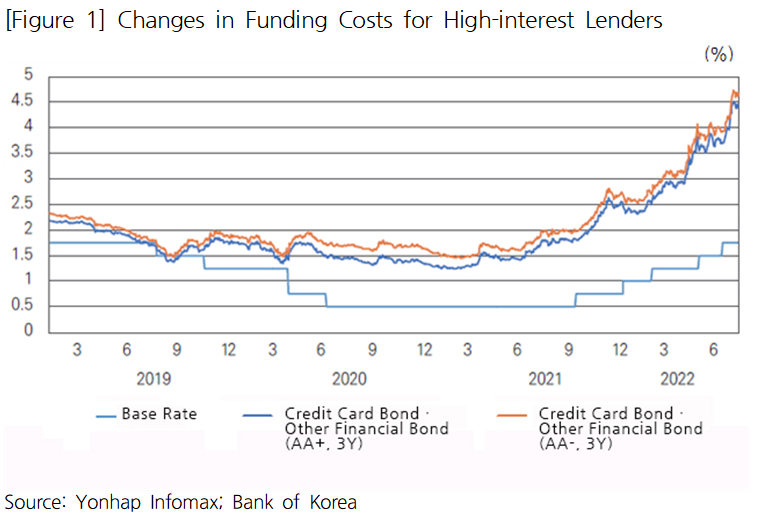
Banks peg overdraft pricing to the one‐year, unsecured AAA corporate bond yield, which climbed to 3.68% at the end of July—up 1.16 percentage points from a year earlier. Funding costs have surged further in August, with the benchmark Bank of Korea base rate lifted in two consecutive meetings to 3.00% and one‐year financial bond rates approaching 3.96%.
Despite a modest decline in outstanding balances, utilization rates remain elevated. As of October 11, overdraft balances across the five lenders stood at 43.4 trillion won, down 0.5 trillion won from the end of last month, yet still reflecting a 45.1% drawdown against approved limits. With tens of trillions of won in undrawn credit lines still available, regulators and banks alike are determined to maintain strict total‐loan ceilings.
Recent policy measures have eased some headroom for household loans, but most of the additional capacity was directed toward mortgage products. Observers warn that a rebound in equity markets could quickly revive “leveraged investment” demand, fueling a fresh uptick in overdraft usage. In response, banks appear poised to raise rates further rather than expand credit limits, keeping a tight rein on overall household leverage.